

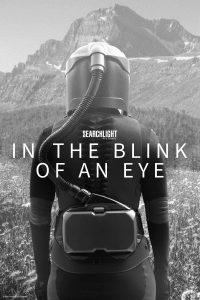
From the outset, the trailer promised something intriguing, thoughtful, and emotional; a sci-fi with heart. It suggested mystery, scale, and originality. Instead, what unfolded felt surprisingly flat, uneven, and at times almost parody-level cliché.
Let’s start with the positives. Kate McKinnon is easily the standout. Whenever she’s on screen, the film sparks to life. Her presence brings texture and unpredictability, she feels like she’s in a slightly smarter, sharper movie than everyone else. There are moments where the film almost finds itself through her performance. Almost.
There are also interesting ideas buried beneath the surface. The concept of human survival, evolution, artificial intelligence, and even the brief depiction of Neanderthals as more advanced than we assume, those are genuinely compelling threads. But they never quite cohere into something meaningful. And that’s the core issue: what is this film about?
It’s hard to pinpoint any character’s clear need or want. The emotional stakes remain blurry. Rashida Jones’ storyline, for example, never quite lands. A Facetime “I love you” to her boyfriend plays like something we’ve seen a hundred times before: no tension, no subtext, no surprise. Later, a phone conversation with her mother about cancer feels oddly distant. Why not stage that scene in person? There seems to be no narrative obstacle preventing it. The choice drains the moment of emotional power.
Jones is a performer with enormous warmth and subtlety, but here her performance feels disengaged, as if she’s working with material that hasn’t been fully developed. Her boyfriend’s character doesn’t help. He feels stiff, underwritten, and miscast. Rather than grounding the story, he flattens it.
Tonally, the film is all over the place. The score often feels like it wandered in from a Hallmark movie, oddly uplifting, emotionally mismatched, and disconnected from the weight of the themes. Music should elevate tension or deepen emotion. Here, it frequently undercuts both.
Structurally, the film makes some baffling choices. The opening five minutes overwhelm the audience with on-screen character titles, information we would easily pick up through context and dialogue. It’s unnecessary hand-holding that ironically makes things feel more confusing. Add to that the repeated hard cuts to black and awkward transitions between storylines, and the pacing becomes jarring instead of immersive.
The science itself is inconsistent. In a film set 200 years in the future, why does the AI system feel sluggish and analog? Why are simulations not instantaneous? And in a world aware of oxygen depletion, why not use existing carbon capture technology to generate oxygen? These may seem like small details, but in science fiction, world-building credibility matters. When logic falters, immersion breaks.
Some plot points raise more questions than they answer. The acorn: symbolic, perhaps, ultimately feels random and unexplained. How did it end up where it did? Why that character? The film gestures toward profundity without doing the narrative work to earn it.
There’s a moment of relief when the script finally explains why Kate McKinnon’s character has lived so long, because until then, it felt like an oversight rather than a mystery. But by that point, the audience has already had to do too much guesswork.
Perhaps the most surprising element is that this film comes from Andrew Stanton. This is the filmmaker behind Pixar classics, yet here the storytelling feels oddly unfocused. And yes, he also directed John Carter, another ambitious project that struggled under its own weight. This film shares that same sense of unrealized potential.
Ultimately, the most frustrating thing isn’t that the movie is bad, it’s that it had potential. With sharper writing, stronger character motivations, tonal recalibration, and possibly some recasting, it could have been something thoughtful and resonant. Instead, it feels like a draft that never got its rewrite. And that’s the real disappointment.
My Recommendation: Skip it